Winston-Salem is the western end of our patch and a regular run for us. We work 27101, 27103, 27104, 27106, 27107 and 27127 — Ardmore, Buena Vista, West End, Washington Park, Sherwood Forest and Konnoak Hills, out towards Reynolda and the university.
A city of 1920s and 1930s bungalows
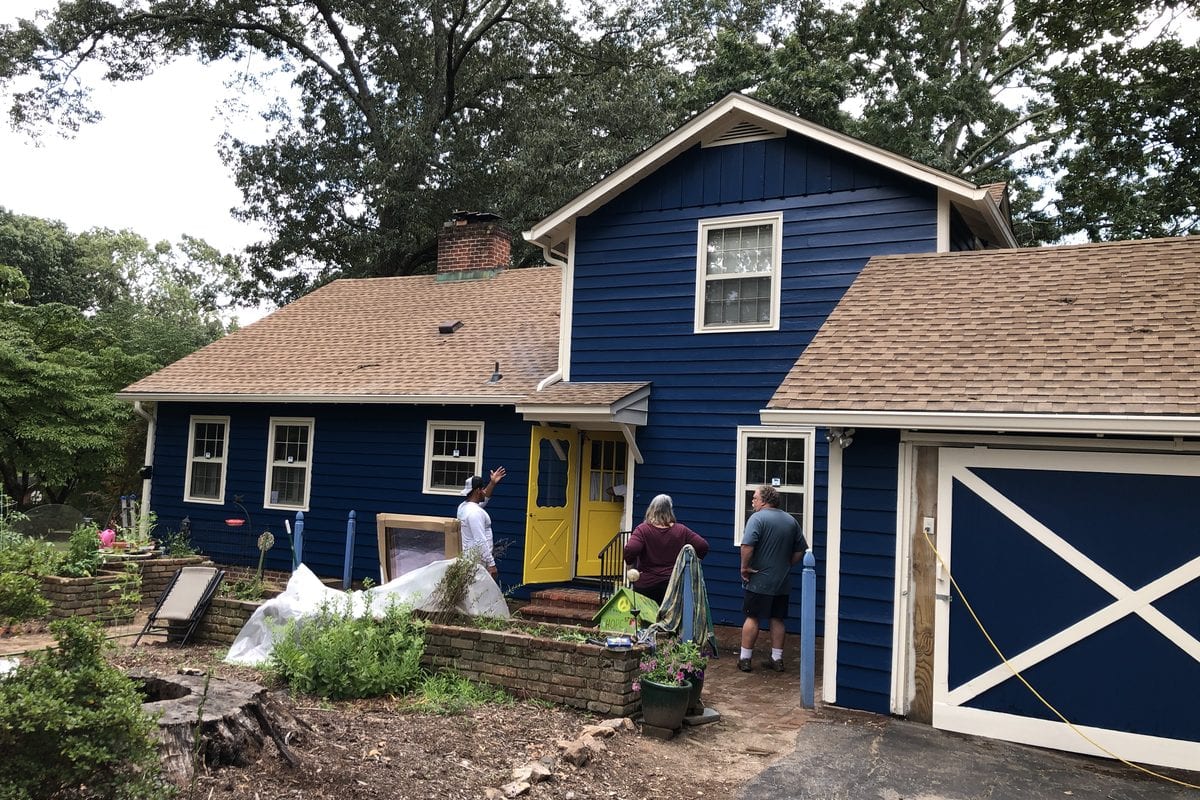
Ardmore and Washington Park are dense with Craftsman bungalows from the 1920s through the 1940s, and they set the tone for painting here. Wood siding, exposed rafter tails, bracketed eaves, original double-hung windows, porch columns and a great deal of trim per square foot of house.
The consequence is straightforward: the cost of painting one of these houses is driven by linear feet of detail, not by wall area. Two houses of identical size can be a week apart in labour depending on how much trim and how many porch details they carry. Anybody quoting a bungalow off a square-foot figure has not looked at it.
All of it pre-dates 1978, so lead-safe work practices apply, and the rafter tails and bracket work have to be prepared by hand.
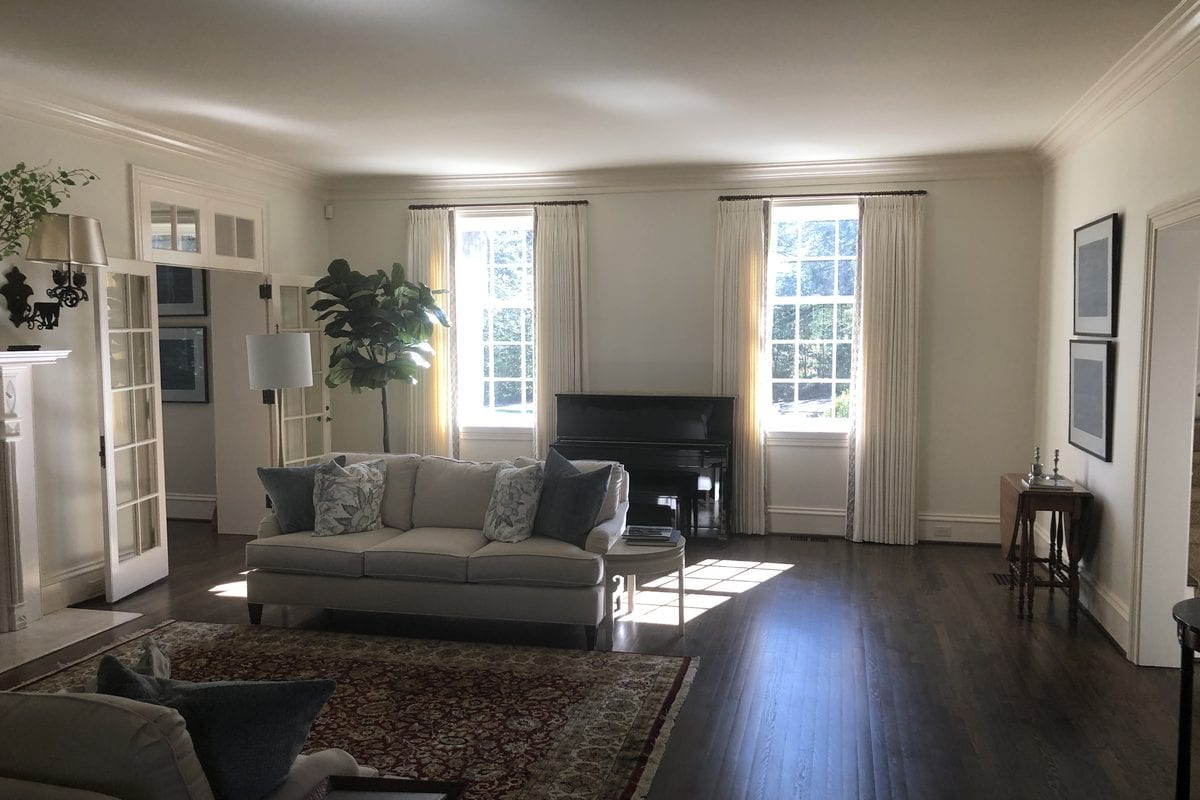
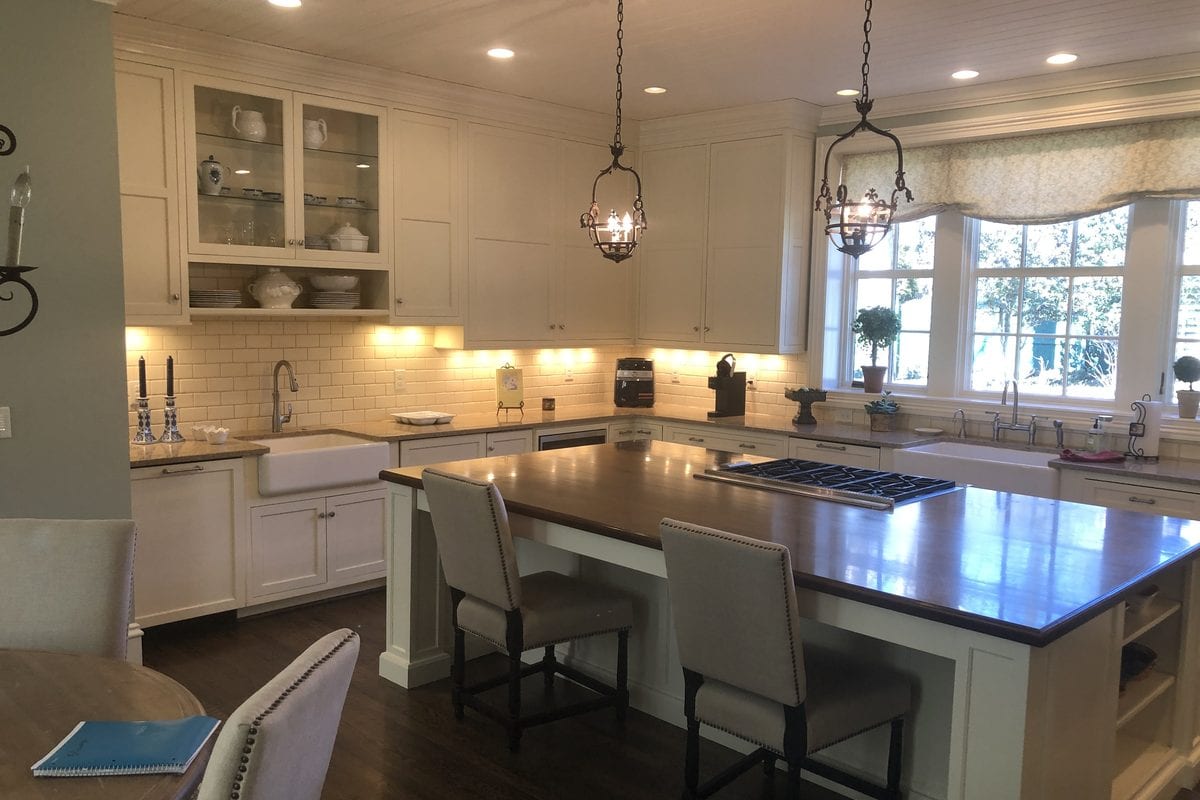
West End goes older still — some of it late 1800s — with the taller, more ornate detailing that comes with the period. Buena Vista is a different proposition again: larger Georgian and Colonial Revival houses, mostly masonry or wood with substantial trim, where the finish standard expected is high and the colour decisions are usually made carefully.
Textured ceilings, everywhere
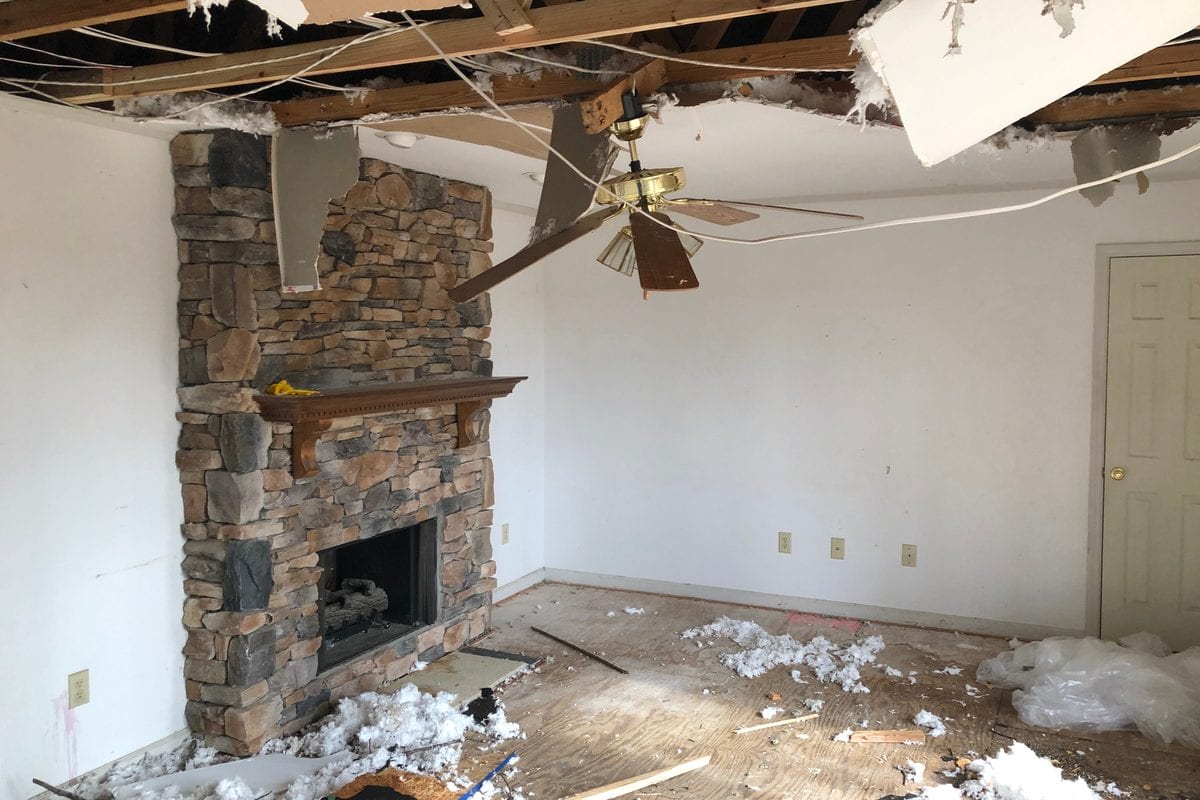
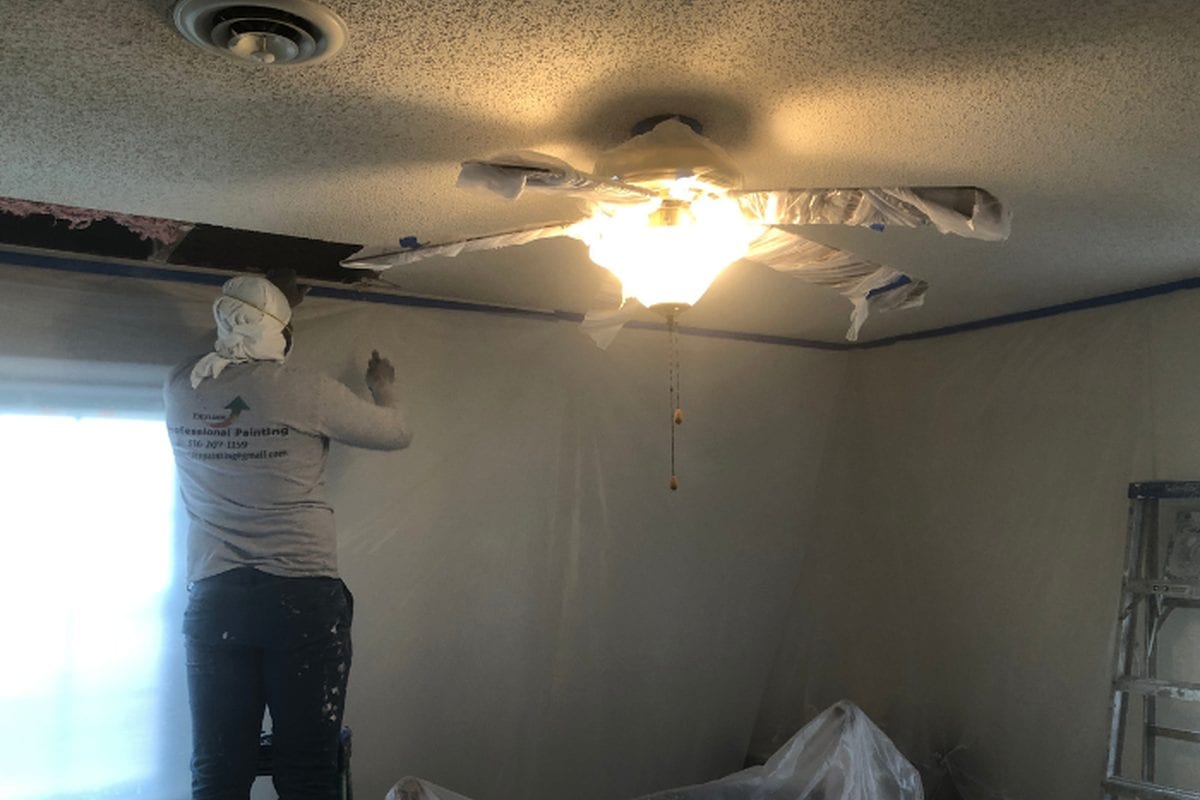
Forsyth County housing that was remodelled between the 1960s and the 1980s picked up popcorn and textured ceilings in enormous numbers, including a lot of older houses that were built with plain plaster and had texture added later. Ceiling removal is one of the most common jobs we are called into in Winston-Salem.
Because so much of this housing pre-dates 1980, the texture should be tested before it is disturbed. If it tests positive for asbestos it is licensed abatement work and we will say so. That conversation happens at the estimate, not after the scraper is out.
There is a wrinkle specific to old houses here: where texture was applied over original plaster rather than drywall, what is underneath after scraping is often in poor condition and needs proper skimming. We price ceiling work in Ardmore and Washington Park on the assumption that we will be skimming, because on those houses we nearly always are.
Shade, hills and damp north walls
Winston-Salem's older neighbourhoods sit on real topography with mature tree cover, and plenty of houses have an elevation that barely sees direct sun. Those walls grow mildew rather than fading, and painting over it without treating it produces a coating that is green again in two summers.
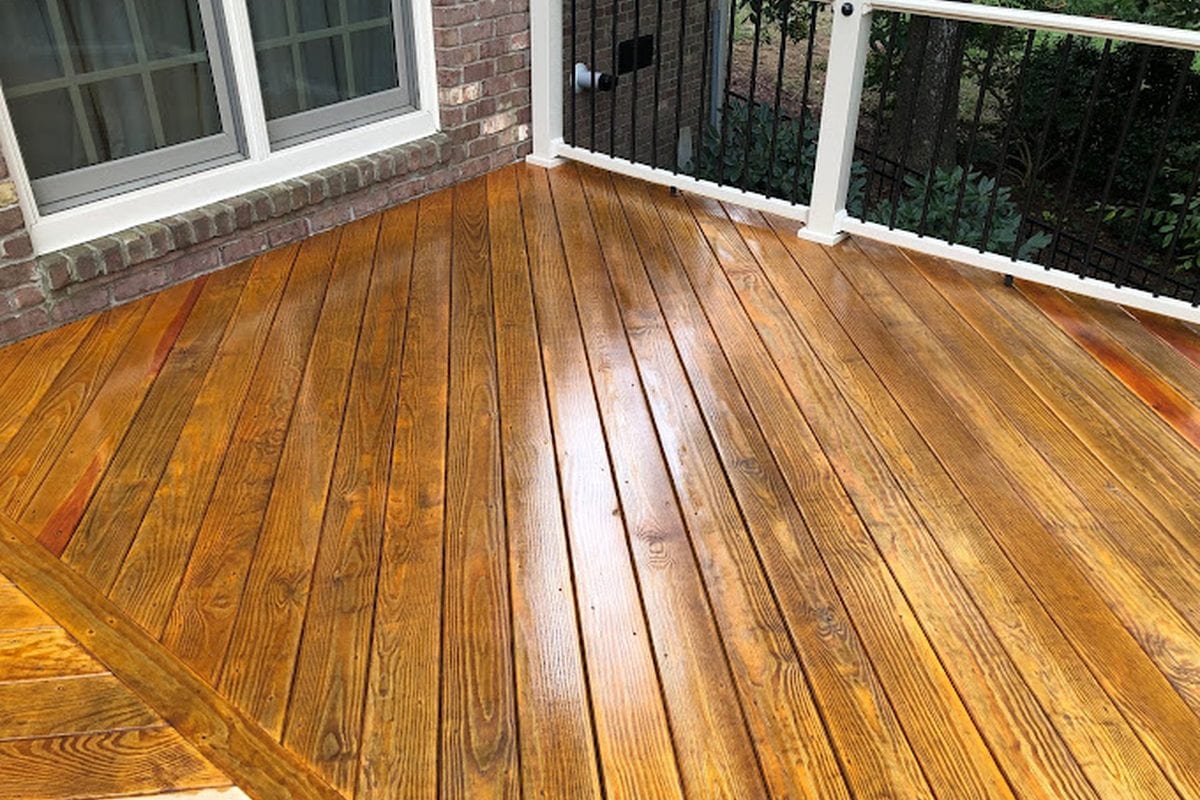
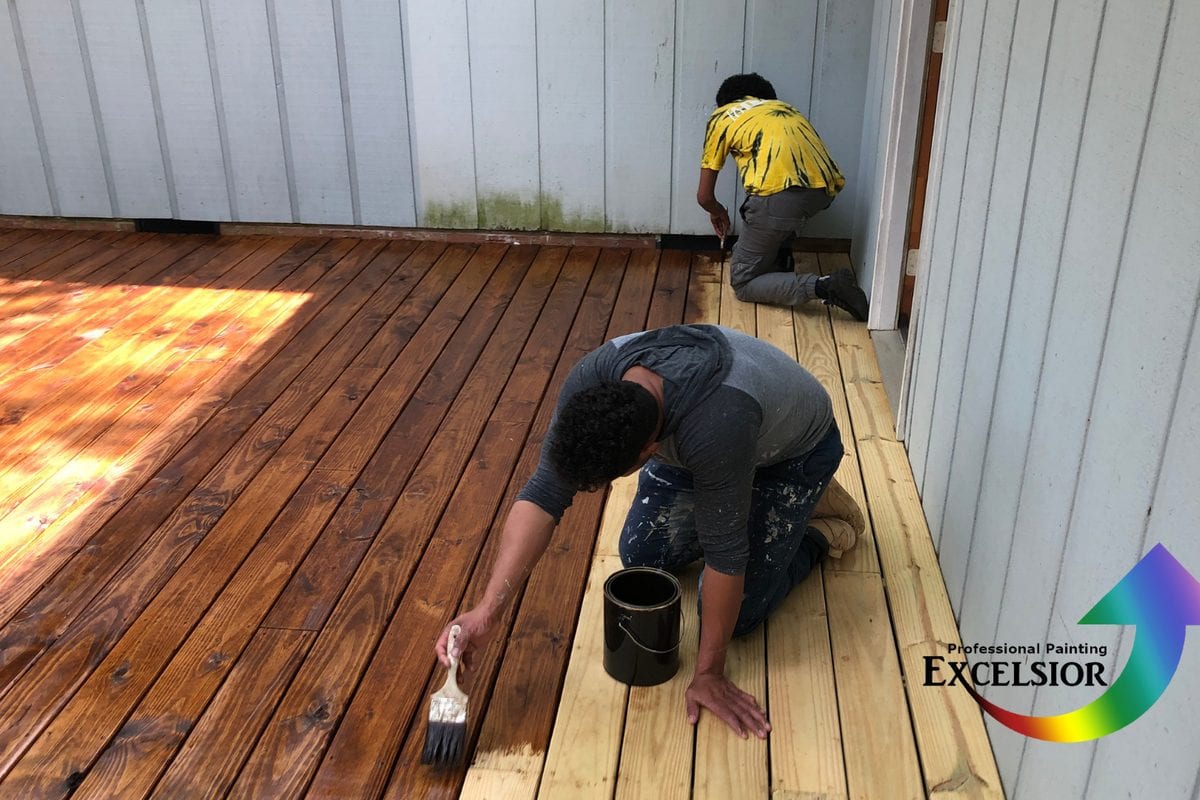
The same shade sits over most of the decks in Ardmore and Washington Park, which means deck finishes here are fighting moisture rather than UV — a different product decision from a deck in an open yard.
Permits
Inside the city limits, permitting runs through the City of Winston-Salem; unincorporated addresses go through Forsyth County. Painting generally needs no permit, but deck framing repair can, and the historic character of several of these neighbourhoods means exterior work on a contributing structure may have its own review requirements. We confirm before starting rather than afterwards.
Working in the Triad's other city
We have been coming to Winston-Salem for years and it is a normal week's work for us rather than an out-of-area trip. Estimates are typically within the week, and because the housing here rewards careful preparation more than most, you will find we spend a while on the walk-round before we write anything down.