Greensboro is home. Our shop is on Jonathan Lane in Shannon Woods, in the south-east of the city, and most of the work we do in a given week is inside the city limits. We cover 27401, 27403, 27405, 27406, 27407, 27408, 27409, 27410 and 27455 — from the historic streets around downtown out to Adams Farm, Lake Jeanette and the north-west corridor.
Three cities' worth of housing stock, in one city
What makes Greensboro interesting to paint is that its neighbourhoods were built in completely different decades and need completely different work.
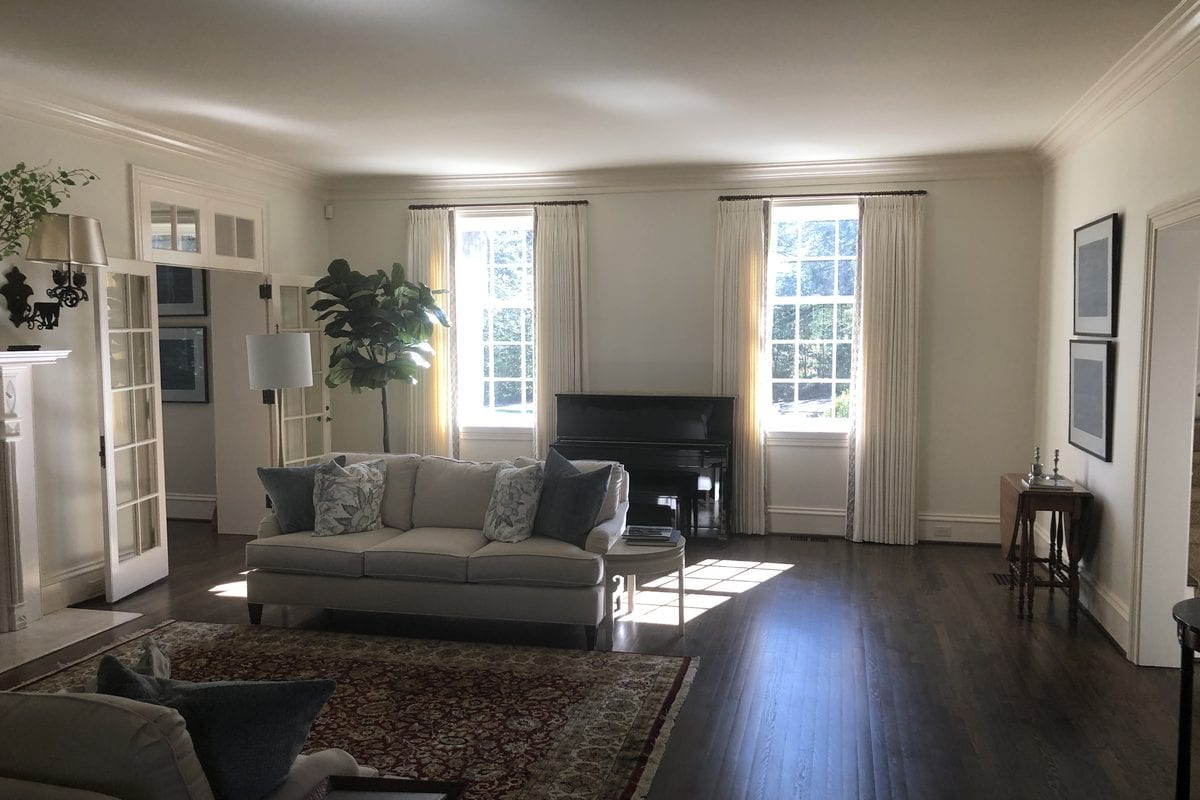
Fisher Park, Westerwood, College Hill and Sunset Hills. Bungalows, Colonial Revivals and Queen Annes, most of them from the 1910s through the 1930s. Wood siding, deep milled trim, original windows, and plaster rather than drywall behind it all. This is hand-preparation work — no sander reaches those profiles — and because the coatings pre-date 1978, lead-safe practices apply to anything that disturbs them. Sunset Hills brings its own quirk in the stone walls that run through the neighbourhood, which are masonry and want a breathable coating rather than a film.
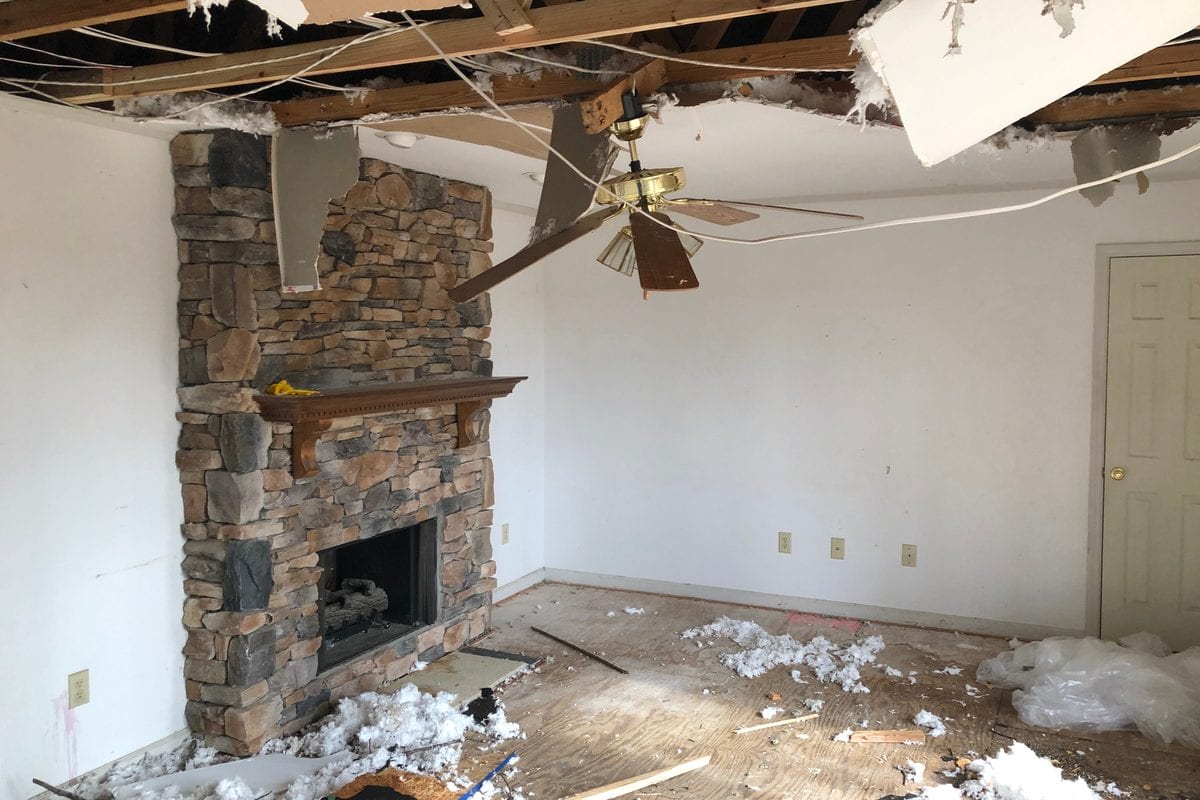
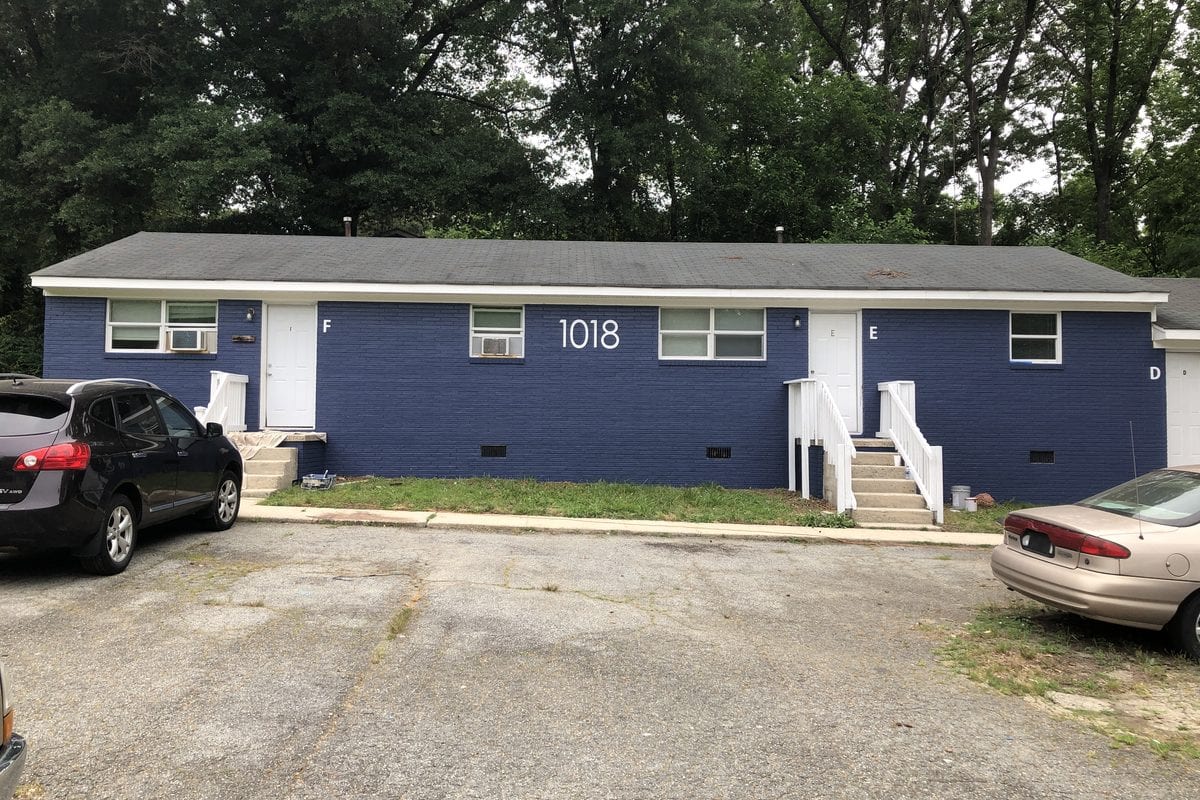
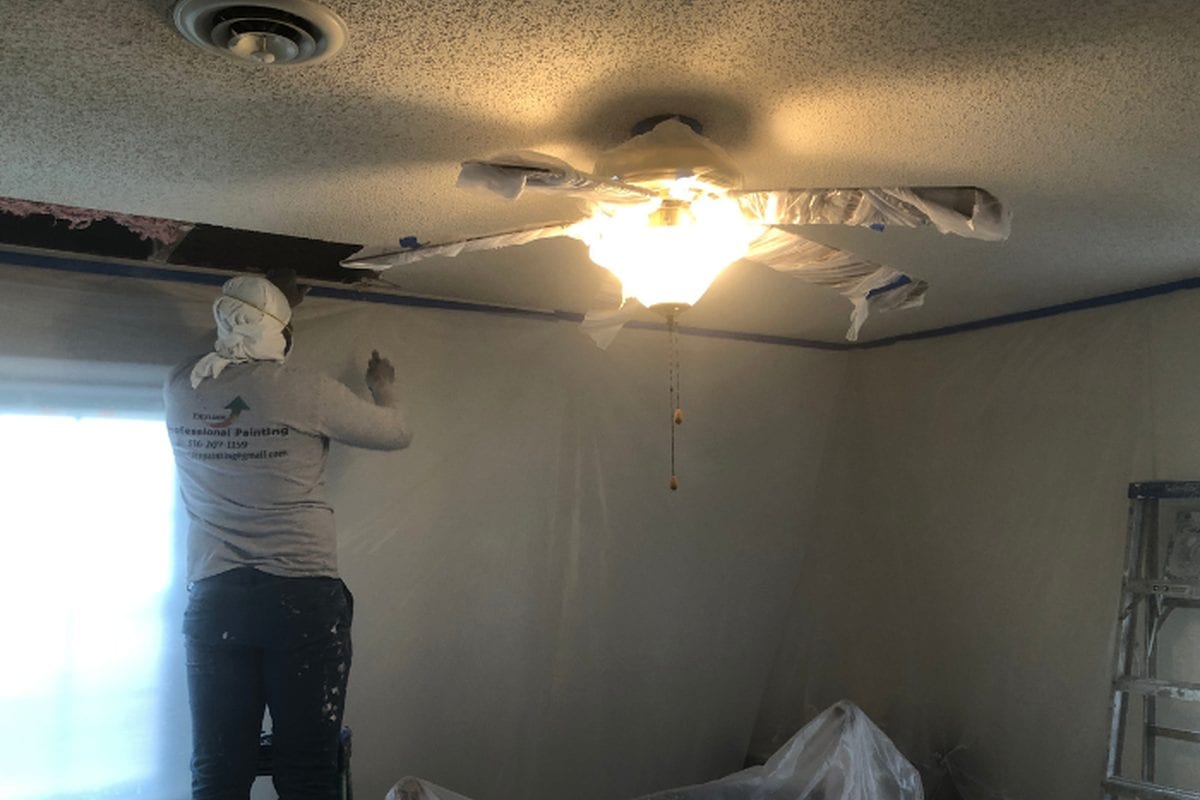
Starmount Forest, Hamilton Lakes and the 1950s-60s brick ranches. Here the siding is often brick, so the painting is trim, soffit, fascia, shutters, porch ceilings and garage doors — plus a lot of interior work on houses whose last full repaint was a while ago. Popcorn and textured ceilings turn up constantly in this band of the city.
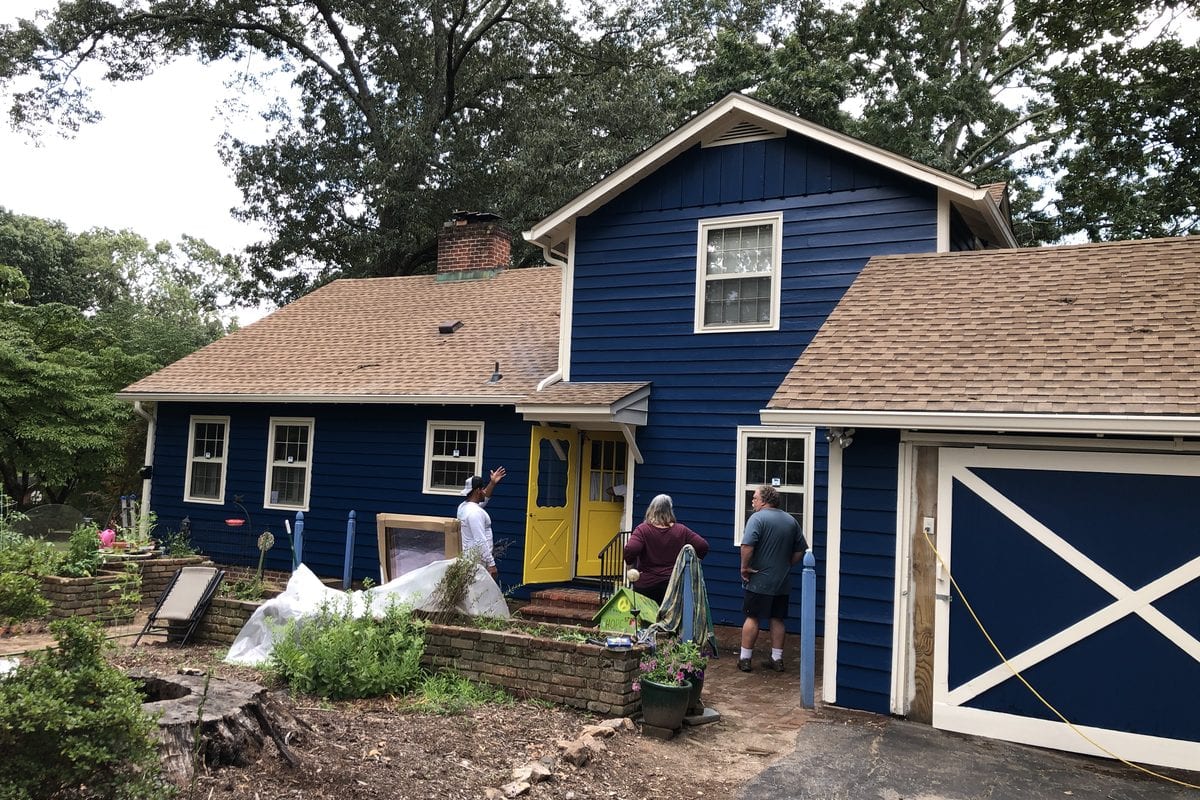
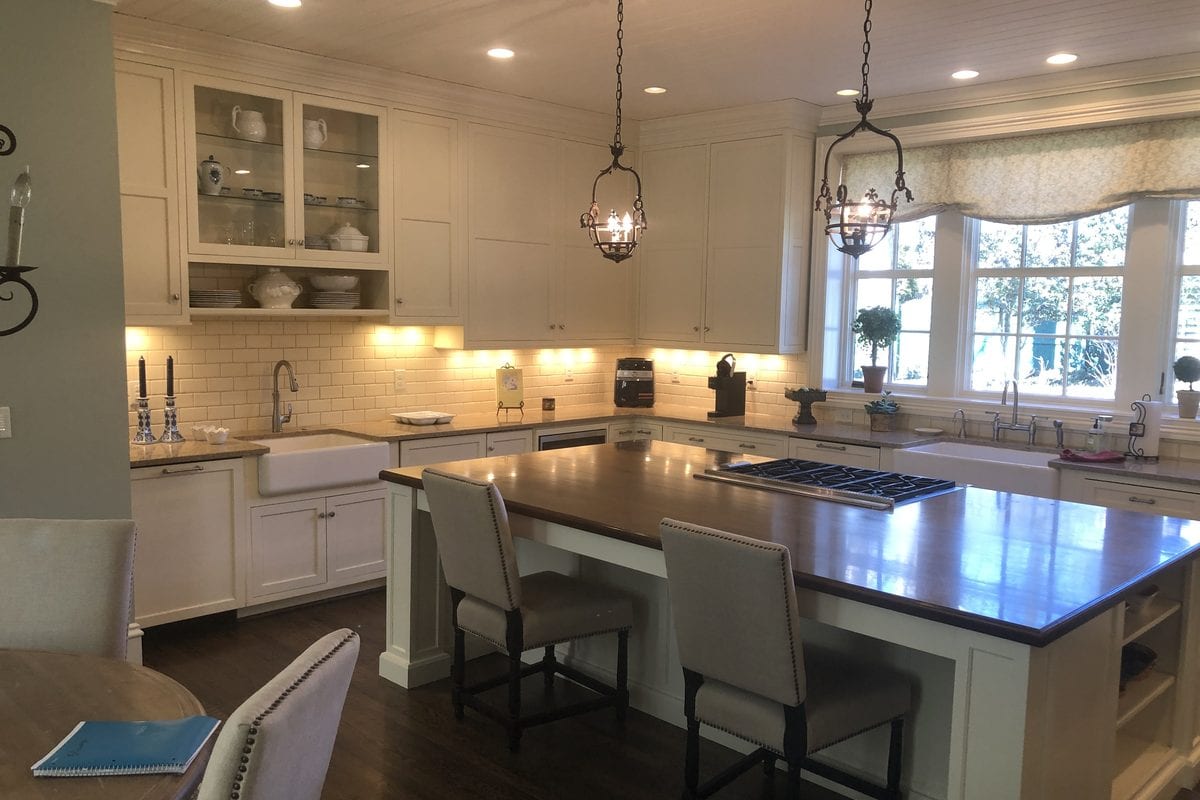
Adams Farm, Lake Jeanette and the newer subdivisions. Vinyl and fibre cement from the 1990s and 2000s. Less whole-house siding work, more trim, shutters, front doors and decks, and a steady run of cabinet refinishing as kitchens from that era get updated rather than replaced.
What the city does to an exterior
Greensboro's tree canopy is one of the best things about living here and is hard on paint. Mature willow oaks over Irving Park, Fisher Park and Latham Park keep north and east elevations damp long after the sun is up, and those walls grow mildew instead of fading. They need treating, not simply painting over, or the new coating goes green within a couple of summers.
South and west elevations have the opposite problem and take the UV. On a lot of Greensboro houses one side of the building is three or four years further through its paint cycle than the other, which is why we price elevations rather than quoting by the square foot.
Then there is spring. The yellow pine pollen that coats the whole Triad for several weeks is not a surface paint will bond to, and a house washed in March and painted in late April needs washing again in between. We plan around it every year.
Permits and jurisdiction
Building work inside the city limits is permitted through the City of Greensboro; addresses outside the limits go through Guilford County Inspections. Greensboro's boundary has moved a good deal with annexation, so an address that was county not long ago may well be city now. Straight painting generally does not require a permit either way — structural deck repair can, and we confirm rather than assume.
Decks under the canopy
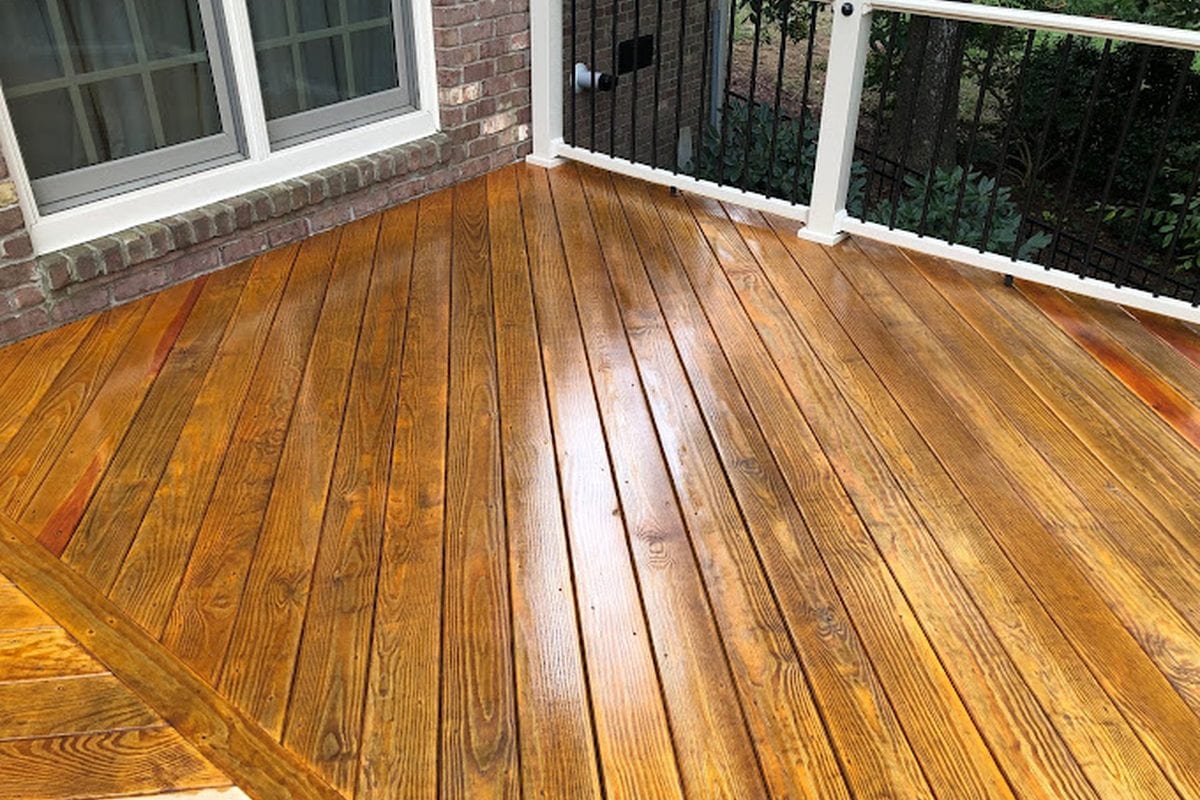
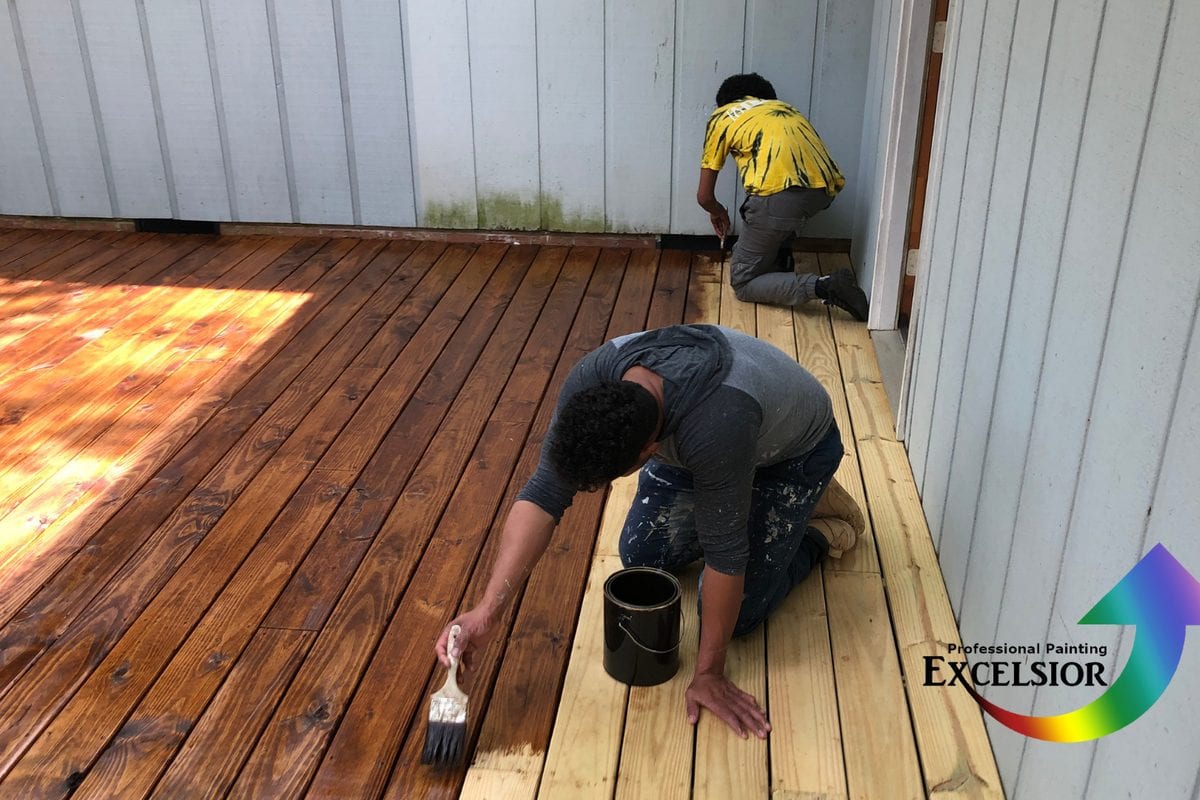
A Greensboro deck is usually a shaded deck, and shade changes the whole job. A deck under hardwoods does not dry out between rains, so it grows mildew rather than greying, and it collects leaf litter that holds moisture against the boards all autumn. Those decks want a different cleaning approach and often a different product from an open, sunny deck in a newer subdivision. It is the main reason we will not quote a deck off a photograph.
Getting to you
We are based here, so estimates in Greensboro are usually same-week and the crew is not driving an hour before it starts work. If you are in the south-east of the city, we are probably closer to you than your last contractor was.